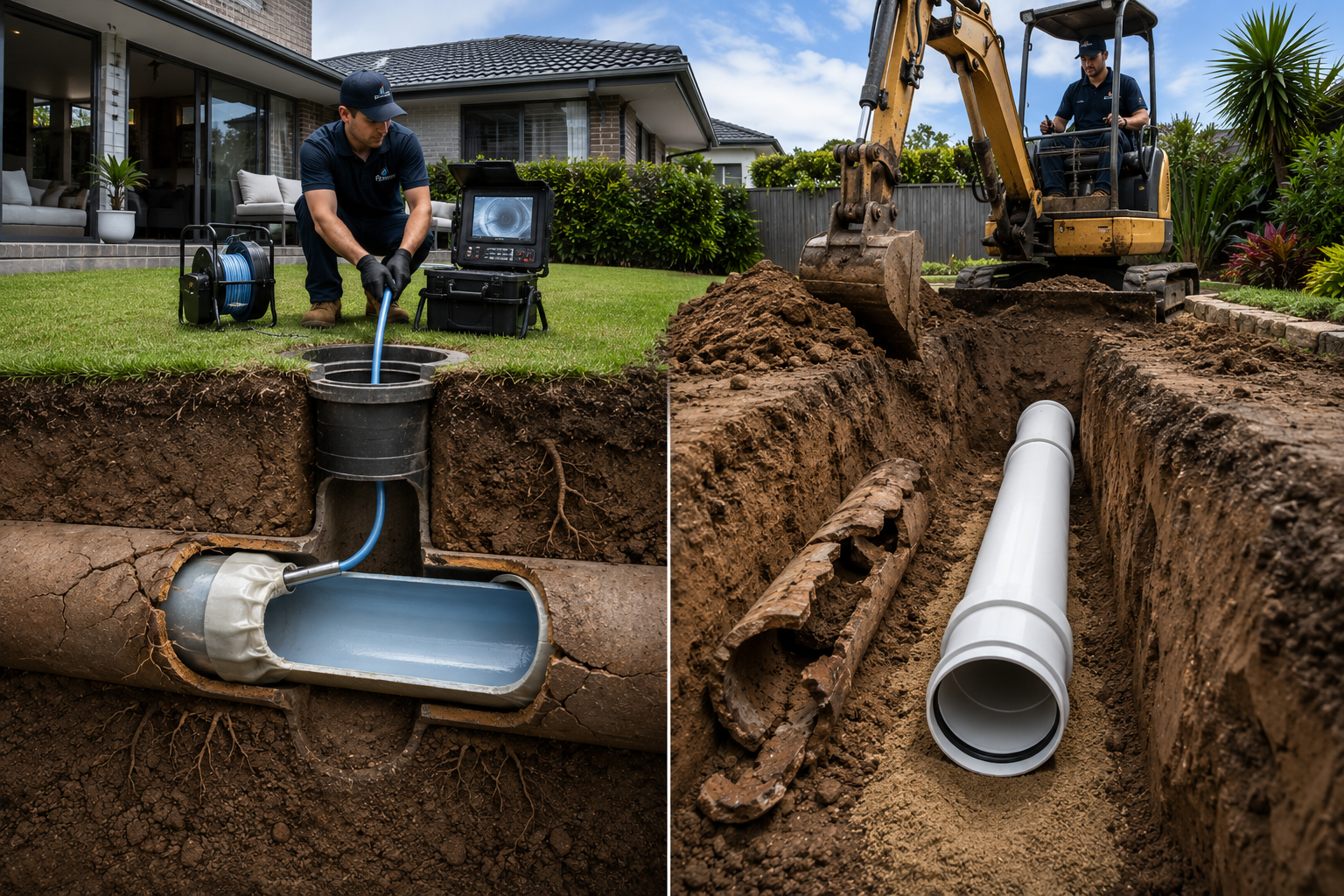
When it comes to maintaining a safe and hygienic water supply, Backflow Prevention for Strata Plumbing is an essential consideration for residential buildings. Without the right backflow prevention measures in place, contaminated water can flow backward into the clean water supply, posing serious health risks to residents. Strata managers, property owners, and homeowners must take proactive steps to protect their plumbing systems from backflow-related contamination.
What is Backflow and Why is it a Risk?
Backflow occurs when the normal flow of water is reversed due to changes in water pressure, causing contaminated water to mix with the potable supply. This can happen when:
- A burst pipe creates a sudden drop in water pressure.
- Heavy water usage, such as during firefighting or main breaks, causes a reversal in flow.
- Garden hoses, irrigation systems, or chemical-laden water sources are not properly protected.
For strata properties, the risk of backflow contamination is heightened due to the complex plumbing networks that service multiple residences. This makes Backflow Prevention for Strata Plumbing a critical component of building maintenance.
How Backflow Prevention Works
Backflow prevention devices, such as non-return valves and reduced pressure zone (RPZ) valves, are installed to stop contaminated water from flowing backward into the clean supply. These devices automatically close when they detect changes in water pressure, preventing pollutants from entering drinking water lines.
Strata buildings should have professionally installed and regularly maintained backflow prevention devices to comply with Australian plumbing standards. Failing to do so can lead to water contamination, hefty fines, and liability issues for property managers.
Why Strata Managers Need to Prioritise Backflow Prevention
Strata managers play a crucial role in ensuring the safety and compliance of their building’s plumbing infrastructure. Implementing Backflow Prevention for Strata Plumbing is necessary for:
- Health and Safety Compliance: Preventing contaminants like bacteria, chemicals, and debris from entering the water supply protects residents from potential illnesses.
- Legal Obligations: Strata buildings must adhere to Australian plumbing regulations, which require the installation and maintenance of backflow prevention devices in high-risk areas.
- Avoiding Costly Repairs: A backflow incident can lead to extensive plumbing damage, water supply contamination, and expensive emergency repairs.
How to Ensure Proper Backflow Prevention
- Professional Installation – Engage licensed plumbers to install appropriate backflow prevention devices in accordance with Australian standards.
- Routine Inspections – Regularly test and maintain devices to ensure they remain effective. Many councils require annual backflow testing for compliance.
- Education and Awareness – Ensure residents understand the risks of backflow and take precautions, such as not submerging hoses in pools or tanks.
Conclusion
For strata managers and property owners, Backflow Prevention for Strata Plumbing is more than just a regulatory requirement—it’s a crucial measure for safeguarding water quality. Proactive maintenance and professional inspections ensure that residential plumbing systems remain safe, compliant, and free from contamination risks.
If you need expert advice or assistance with backflow prevention, contact Pro Plumber today. Visit our contact page to get help.